
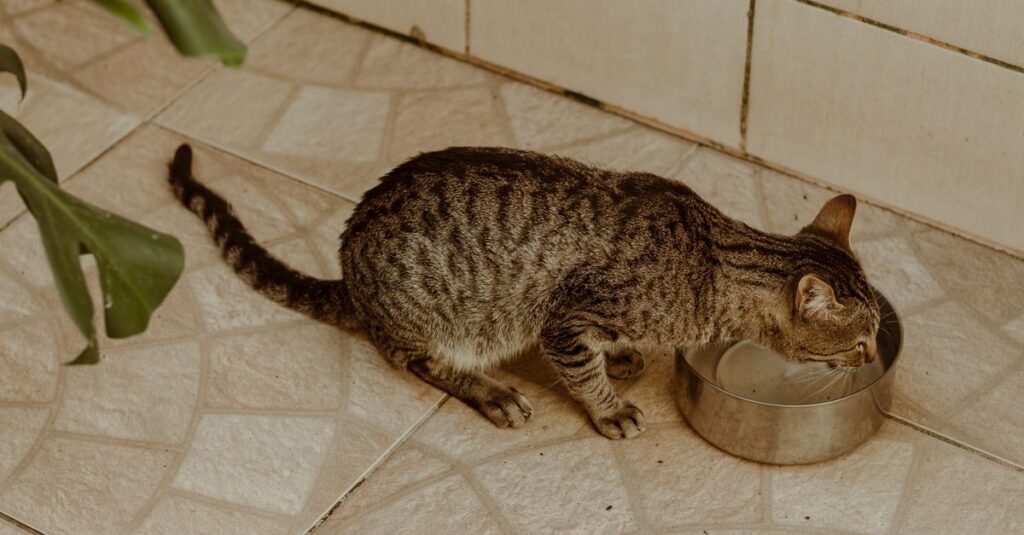
Stainless steel, ceramic and plastic cat fountains can all work. The better choice is the one whose cleaning routine, replacement parts and shape suit your cat and your household. Material alone does not guarantee that a cat will use a fountain.
Veterinary guidance from VCA includes trying different bowl shapes and materials, as well as a fountain, when you are encouraging a cat to drink. That is a useful starting point: observe what your cat actually accepts instead of treating one material as a universal answer.
Quick comparison
| Material | Useful when | Check before buying |
|---|---|---|
| Stainless steel | You want a removable metal reservoir and a simple wipe-down surface. | Whether the exact tray, lid and pump components are also removable. |
| Ceramic | You prefer the look and weight of a ceramic vessel. | Glaze condition, replacement parts and cleaning instructions. |
| Plastic | You need a lighter fountain or a particular feature set. | How the water-contact parts come apart and whether replacement filters remain available. |
Stainless steel: practical for removable reservoirs
Many current fountains use a stainless reservoir with plastic or electronic components around it. That construction can make the water bowl or tray easy to remove, but it does not mean every part is dishwasher-safe. For example, PETLIBRO’s support pages distinguish between care of the fountain body, filter and pump. Read the instructions for the exact model number before choosing a cleaning method.
When comparing stainless models, look beyond the label. Check whether the water-level window is visible, whether a brush can reach narrow channels and whether the filter is readily available. Those details affect whether you will maintain the fountain after the first few weeks.
Ceramic: choose condition and replacement support carefully
Ceramic fountains often appeal to owners who want a heavier vessel or a particular style. The important buying question is not simply “ceramic or not?” It is whether the surface is intact, the parts fit securely and the brand can supply the filter, pump and lid you may need later.
Inspect a ceramic fountain regularly for chips or cracks and follow the manufacturer’s washing directions. If a component becomes damaged, use the maker’s replacement guidance rather than trying to seal or modify the water-contact surface yourself.
Plastic: focus on upkeep and design
Plastic is common because it allows many shapes, water windows and integrated filter housings. A plastic fountain is not automatically a poor choice. The practical question is whether you can reach every area that contacts water, rinse it fully and obtain compatible replacement filters.
Choose a model with a clear disassembly guide. If you cannot see how to remove the tray, tube or pump cover before buying, finding out later can turn a simple weekly task into a frustrating one.
Use your cat’s behavior as the final test
Some cats care more about water movement, bowl depth, placement or temperature than the vessel material. VCA suggests trying different materials and a fountain as part of a wider hydration routine. Keep a familiar water option available when introducing a new fountain, and speak with a veterinarian if you notice a sudden change in drinking behavior.
A buying checklist that matters more than the material
- Cleaning access: Can you reach the pump area and water channels?
- Replacement supply: Are filters and a compatible pump still sold?
- Water level: Can you tell when it needs refilling without taking it apart?
- Placement: Does the footprint work where your cat actually drinks?
- Manual quality: Does the brand show how to clean and troubleshoot the exact model?
Make the decision with the whole setup in mind
Material is one part of a fountain, not the whole decision. Compare the cleaning routine, filter cost and placement options alongside it. Our cat water fountain guide helps you compare models; our cleaning routine shows the upkeep to expect; and our fountain versus bowl guide helps you decide whether a fountain fits your cat at all.
FAQ
Is stainless steel or ceramic better for preventing cat chin acne?
Both non-porous materials are far better than scratched plastic. Food-grade 304 stainless steel is lighter and resists chipping during weekly sink scrubbing, while heavy glazed ceramic stays securely in place for cats that nudge their bowls.
How often do stainless steel cat fountains still need cleaning?
Even with stainless steel, biofilm builds up inside the pump and silicone tubing. Rinse the tray and sponge pre-filter weekly, and disassemble the pump impeller every two weeks.
Are BPA-free plastic fountains safe for everyday use?
Yes, as long as you clean them with a soft sponge so the surface does not develop micro-scratches where bacteria can hide, and replace the carbon filter on schedule.
Sources
- VCA Animal Hospitals: General Feeding Guidelines for Cats
- Catit PIXI cleaning guidance
- PETLIBRO stainless-steel fountain care guidance