
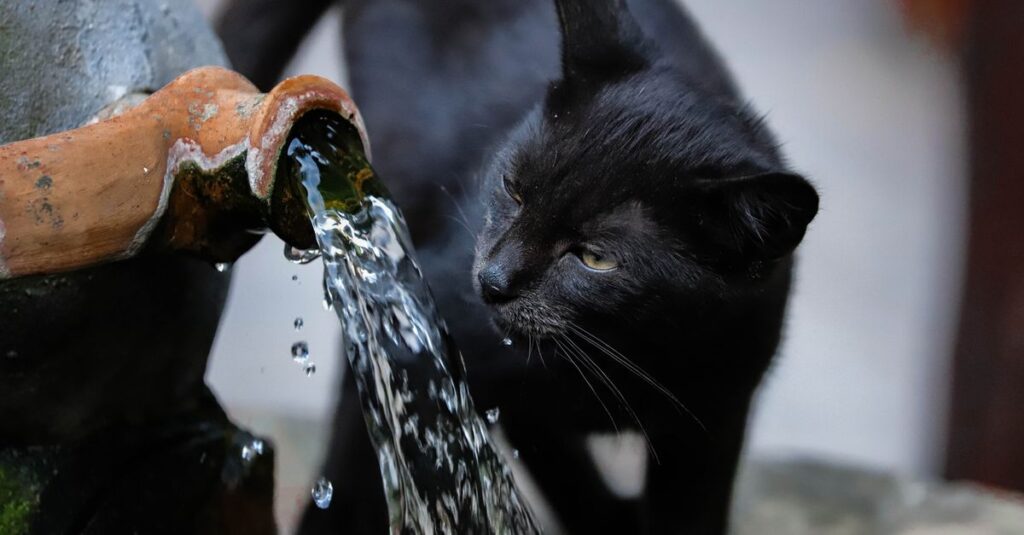
A cat water fountain only stays useful when the parts that touch water stay clean. The practical routine is simple: refresh the water often, clean the accessible parts regularly, and follow the manual for the pump and filter in your exact model.
This guide gives you a safe, model-neutral routine. It does not replace the instructions for your fountain, especially when its electrical base, pump or filter design differs from another model.
Quick cleaning checklist
| Part | What to do | Important check |
|---|---|---|
| Reservoir and tray | Wash with mild dish soap and a soft cloth or sponge. | Rinse until no soap remains. |
| Filter | Rinse or replace only as your model manual directs. | Do not put soap on a filter. |
| Pump and impeller | Open and clean only if your model permits it. | Disconnect power first. |
| Base and cable | Wipe as directed in the manual. | Do not submerge an electrical base unless the manual explicitly says it is safe. |
Before you start
Unplug the fountain and move it to a stable cleaning surface. Empty the old water, then take a photo of the assembled fountain if the pump, tube or filter tray is easy to forget. Keep the filter separate from the parts you wash with soap.
Manufacturers give different instructions for different fountains. Catit’s current PIXI cleaning guide, for example, separates the removable reservoir from the electronic base and explains how to remove the pump impeller. PETLIBRO’s stainless-steel fountain guidance also treats the pump and filter as separate maintenance items. Your own manual is the deciding source.
Step-by-step: clean the water-contact parts
1. Take the fountain apart in the order in its manual
Remove the lid, tray, spout, tube and filter holder only as designed for your model. Put small parts in one place so they do not disappear into the sink. If a part resists, stop and check the manual instead of forcing it.
2. Wash the reservoir, tray and removable parts
Use warm water, mild dish soap and a soft sponge or cloth for the parts that are meant to be washed. A small brush can help reach a tube or narrow channel. Avoid abrasive pads: they can damage a surface and make cleaning harder later.
3. Treat the filter as its own part
Filters are not interchangeable across fountains and their care varies. Some need a rinse before installation; some are replaced on a schedule; some include a separate foam pre-filter. Catit specifically says not to wash its filters with soap. Check the packaging and the manual before reinstalling or replacing yours.
4. Clean the pump only when your model allows it
Hair and debris can collect near a pump. For models with a removable pump cover and impeller, the manufacturer may show how to open and rinse those parts. Clean only the parts the manual identifies, and make sure they are reassembled correctly before turning the fountain back on.
5. Rinse, dry the exterior and reassemble
Rinse every washable part thoroughly so no cleaning residue remains. Reassemble in the reverse order, fill to the marked water level and confirm that the cable and base are dry where the manual requires it. Then plug it in and listen for normal flow.
What to do about mineral buildup
Hard water can leave mineral deposits in a reservoir or around a pump. Catit’s Flower Fountain guide describes a diluted white-vinegar solution for stubborn limescale in its reservoir; PETLIBRO also gives model-specific advice for mineral buildup inside a pump. Those instructions apply to their own products, so use them only when your manual allows the same treatment.
Three mistakes that make a fountain harder to maintain
- Only topping up water. A full reservoir is not the same as a cleaned fountain.
- Using soap on the filter. Follow the filter instructions instead.
- Letting the water fall below the marked level. Some manufacturers warn that low water can affect pump performance.
When cleaning does not solve a slow or noisy flow
First check the water level, the filter position and whether the pump is free of visible debris. If the issue continues, consult the troubleshooting steps for your exact model before you decide whether a part needs replacement.
Keep the routine realistic
The best fountain is one you can keep clean. Before buying a new model, look at how many parts come apart, how easy it is to obtain the right filters and whether the instructions make pump access clear. Use our cat water fountain comparison to compare the buying questions, then read our filter replacement guide for the ongoing-cost side.
Sources
- Catit PIXI Stainless Steel UV-C Fountain Cleaning Guide
- Catit Easy Clean Flower Fountain Cleaning Guide
- PETLIBRO stainless-steel fountain care guidance