
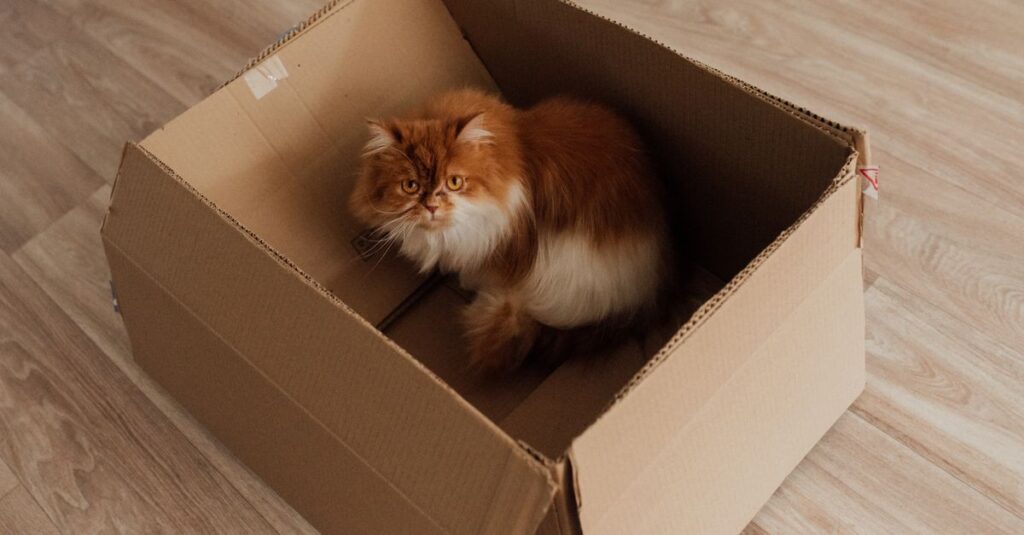
An automatic litter box can save time on daily scooping. It cycles after use, which can reduce daily scooping; odor control depends on the model, litter and cleaning routine. It is not cheap, and some models spook a nervous cat, so the pick matters. We compared five 2026 models across safety, cleaning, noise and ongoing costs. Still deciding whether you need one? Start with our automatic litter box guide.
Quick Picks: Our Top Recommendations
Short on time? Here are our top-rated recommendations based on reliability, ease of maintenance, and real value.
Neakasa M1 Open-Top Automatic Box
- Open-top bowl eliminates cat entrapment fears
- Roomy interior easily accommodates cats up to 20 lbs
- Hygienic pull-and-pack waste sealing in 5 seconds
Ultra-Quiet Large-Capacity Box
- Extra-large waste chamber holds up to 15 days
- Multi-zone infrared & weight anti-pinch sensors
- Whisper-quiet cleaning cycle won’t startle cats
UBPET Self-Cleaning Litter Box
- Compact footprint ideal for apartments & small bathrooms
- Reliable automated rake cycle handles clay litters
- Accessible price point for first-time automated owners
Quick comparison
| Litter box | Standout | Best for |
|---|---|---|
| 1. Neakasa M1 | Open top, low stress | All-around |
| 2. Ultra Quiet | Large capacity, quiet | Multiple cats |
| 3. Ellenpent Open Top | Waterproof, open design | Timid cats |
| 4. FEELNEEDY | Real-time app monitoring | Usage tracking |
| 5. UBPET | Great price | Budget |
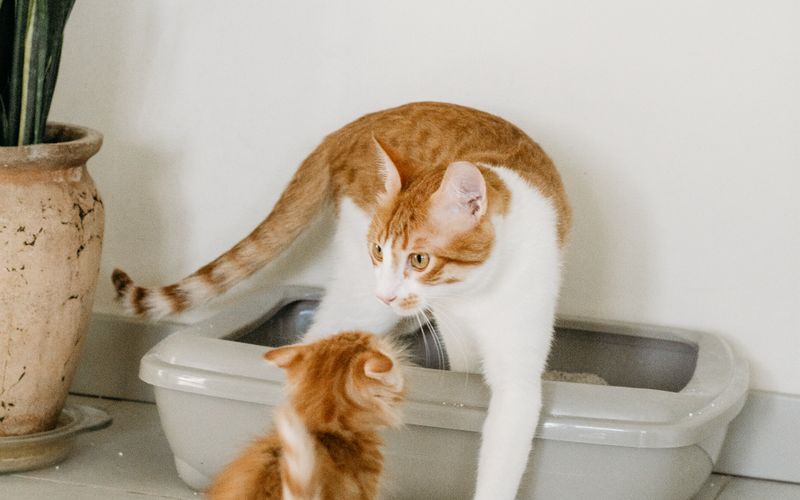
The 5 best automatic litter boxes
1. Neakasa M1: best overall [1]
The M1 open-top design is the reason I would start here. Some cats may take to an open box more readily than an enclosed drum, but introductions still work best when they are gradual. It sifts quietly, includes odor-control features, and the app is simple. A practical first automatic box.
— based on a verified Amazon buyer’s review
2. Ultra-quiet large-capacity box: best for multiple cats [2]
If you have two or three cats, capacity and noise are what make or break it. This one pairs a big waste bin with a quiet motor, so you empty it less often and it does not startle a jumpy cat mid-cycle. Built for a busy household.
3. Ellenpent open-top box: best for timid cats [3]
Some cats hate the enclosed drum design and simply refuse it. The open-top layout here feels closer to a normal box, so nervous cats warm up faster. The waterproof base is a nice touch for accidents and cleaning. Solid choice if your cat is easily spooked.
4. FEELNEEDY box: best for usage tracking [4]
This one leans into the app, with real-time tracking of how often your cat goes. That can help you notice changes in routine, but it is not a diagnosis; any sudden change should be discussed with a veterinarian. Good for anyone who wants a clearer usage log.
5. UBPET box: best value [5]
You do not have to spend top dollar to ditch the daily scoop. UBPET covers the essentials, works with standard clumping bentonite litter, and self-cleans reliably at a friendlier price. A smart way to try the automatic route without the biggest outlay.
How to choose
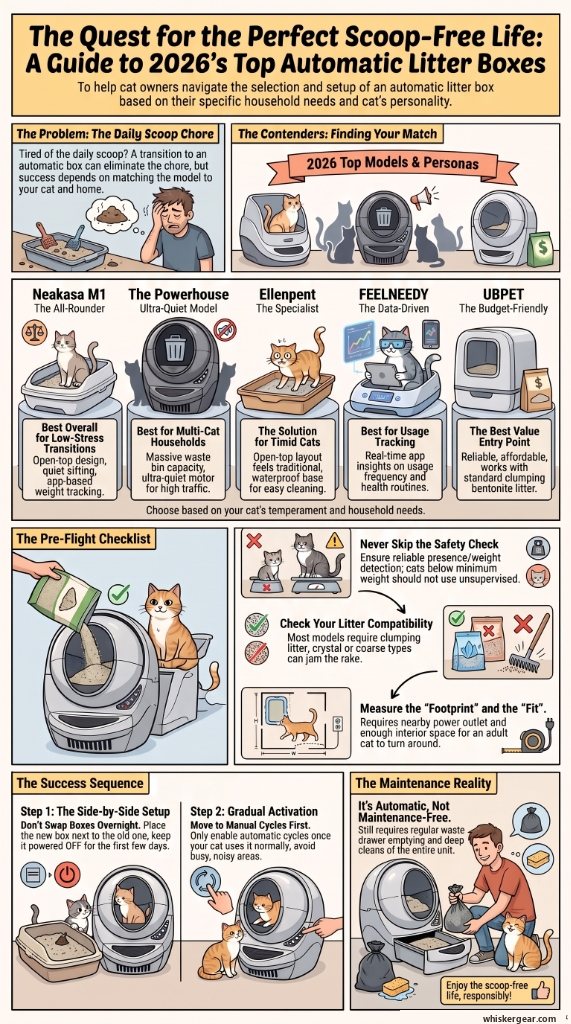
- Safety sensor. Important. Look for weight or presence detection and follow the manufacturer’s safety instructions.
- Open vs enclosed. Some nervous cats may prefer open-top boxes; enclosed ones may contain odor better.
- Bin size. Bigger means fewer empties, which matters a lot with multiple cats.
- Noise. A loud motor scares cats mid-cycle. Look for “quiet”.
Other cat essentials
Sources
Each link below points to the same Amazon listing cited for that pick above.
- Neakasa M1: best overall
- Ultra-quiet large-capacity box: best for multiple cats
- Ellenpent open-top box: best for timid cats
- FEELNEEDY box: best for usage tracking
- UBPET box: best value
FAQ
Will my cat actually use it?
Many cats do, but acceptance varies. Introduce it slowly next to the old box. More in our litter box guide.
Does it replace weekly cleaning?
It handles the daily scoop, but you still change the litter and wash the unit now and then. See how often to clean.
The verdict
For most owners, the Neakasa M1 (pick 1) is the right call: an open top cats accept, quiet, and good with odor. Multiple cats? Go large-capacity. On a budget? UBPET gets you there.
How we chose these litter boxes
An automatic litter box is the most expensive purchase in a cat home, so the criteria were conservative: safety first (a reliable presence sensor), consumable costs second, convenience only after that. We crossed specs with long-term owner reports, because a box that is great in week one and terrible by month six is a common pattern in this category.
What to check before buying
Minimum cat weight. The sensor needs to detect the cat to lock the cycle. Check the manufacturer’s minimum weight; kittens below the listed threshold should not use it unsupervised.
Litter type. Many models require clumping litter; check the product instructions. Crystal or overly coarse litter jams the rake. That recurring cost belongs in the real price.
Interior size. The chamber must let an adult cat turn around comfortably. A big cat may reject a tight chamber, so measure the interior before buying.
Noise and cycle. Check how long after use the cycle runs and how loud it is. In a small apartment this matters more than it seems.
Footprint and outlet. Measure the corner first. These are bigger than the photos suggest and need a nearby outlet.
Common mistakes
Swapping the old box for the automatic one overnight: the right way is both boxes side by side, automatic powered off for the first days, cycles enabled only once your cat uses it normally. Using the wrong litter and blaming the machine. Forgetting to empty the waste drawer. And installing it in a busy hallway where the cat gets no peace.
Who can skip it
With one cat and someone home daily, a regular box plus daily scooping may be enough. The automatic box truly pays off for multiple cats, heavy schedules, frequent travel, or people who simply cannot stand scooping anymore, which is a valid reason.