
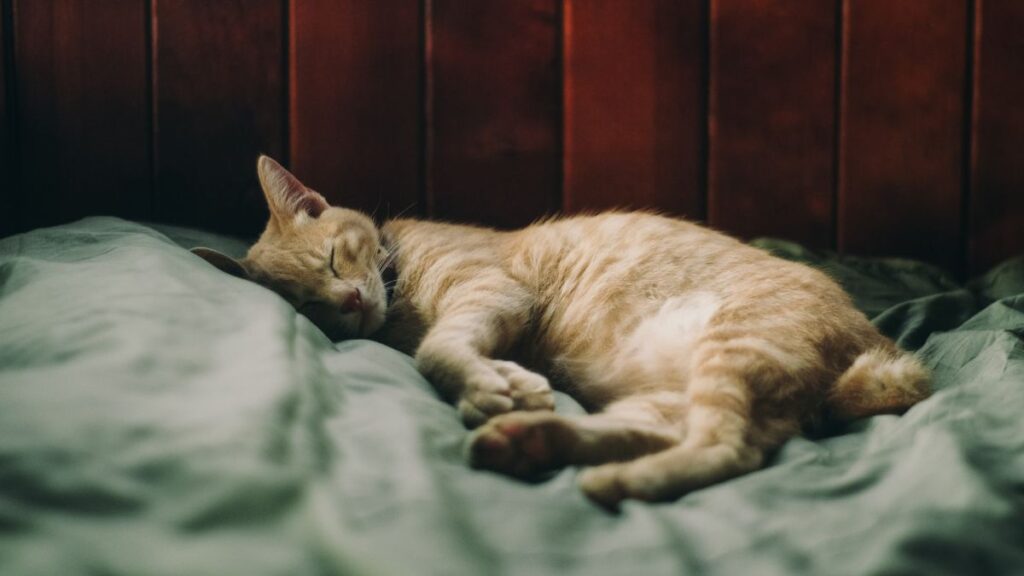
Heated cat beds sound like a gimmick until you own an older cat. Then they start to make a lot of sense. But they are not right for every cat, and there are real safety points worth understanding before you plug one in. Here is the honest breakdown of when a heated bed is worth it and when it is money you do not need to spend.
How heated cat beds actually work
Most pet heated beds use a low-wattage heating element that warms the surface only a few degrees above room temperature. Many are designed to switch on when your cat lies down and the weight triggers the warmth, so they are not running full blast all day. This is different from a human heating pad, which gets far hotter and is not safe to leave a pet on unsupervised.
When a heated bed is genuinely worth it
Three situations make a heated bed one of the best things you can buy for a cat.
Senior cats with stiff joints feel gentle, steady warmth more than any other group, and it often helps them settle and rest longer. Cats in cold homes or drafty rooms, especially in winter, seek out warmth constantly, and a heated bed gives them a reliable spot instead of the top of the router. Thin, short-haired, or older cats that lose heat faster than a fluffy young cat also benefit. If your cat is always hunting for the warmest square foot in the house, that is your answer.
When you can skip it
A young, healthy, long-haired cat in a warm home usually does not need one. These cats generate plenty of heat and often prefer a cool floor. Spending on a heated bed for a cat like that tends to end with an unused bed. A no-cord self-warming mat, which reflects the cat’s own body heat back without electricity, is a cheaper middle ground if you are unsure.
Safety, done properly
Heated pet beds with a safety listing are designed to run continuously, but a few habits keep it worry-free. Use a bed made for pets, not a human heating pad. Keep the cord out of reach if your cat chews cables, or choose a cord-free self-warming option instead. Inspect the cord now and then for wear, and follow the manufacturer’s instructions on placement. Choose a model with a removable heater so the cover can be washed.
Heated versus self-warming
A plug-in heated bed gives real, consistent warmth and is the better choice for a senior or cold-natured cat. A self-warming mat has no cord and works anywhere, but the warmth is milder since it only reflects existing body heat. If you want warmth for a specific senior cat, go heated. If you just want to take the chill off a windowsill or a carrier, self-warming is simpler and safer.
Reading the specs before you buy
Not all heated beds are built the same, and a few label details tell you more than the marketing copy. Look for an independent safety certification mark on the packaging, this is the baseline for any electrical pet product, not an optional extra. Check the wattage: pet-specific beds typically sit in a low range built for gentle warmth, if a listing does not mention wattage or a thermostat at all, that is a reason to look elsewhere. A chew-resistant or steel-braided cord matters more than it sounds like it should, since heating pads are exactly the kind of warm, low object a cat may want to curl against, cord included. Finally, check whether the heating element is removable from the cover. Beds where the electronics are sewn permanently into the fabric are much harder to keep clean and eventually get thrown out because you cannot wash them properly.
Signs your cat actually wants warmth
Rather than guessing, watch your cat’s existing habits for a week. A cat that seeks out sunbeams and tracks them across the floor as the day goes on, sleeps pressed against a heating vent or radiator, or picks the warmest spot in any room it enters is telling you plainly. A cat that instead gravitates to bare tile, the bathroom floor, or an open windowsill even in cooler weather is regulating toward cool, and a heated bed will likely sit unused. Age is a factor but not the only one, some younger cats run cold-natured too, especially leaner or short-haired breeds, so watch the individual cat rather than assuming by age alone.
If you decide a heated bed makes sense, we compare specific heated and self-warming picks in our best cat beds roundup.
Frequently asked questions
Are heated cat beds safe to leave on all the time?
Pet-specific heated beds with a safety listing are built to stay on, since they only warm a few degrees above room temperature. Follow the instructions, keep the cord away from chewers, and check it occasionally for wear.
Do indoor cats need a heated bed?
Most young, healthy indoor cats do not. Heated beds pay off most for senior cats, thin or short-haired cats, and homes that get cold.
Can a heated bed help a cat with arthritis?
Gentle, consistent warmth is a common general comfort measure for stiff joints and many arthritic cats settle onto a heated bed more readily than an unheated one. It is not a substitute for veterinary pain management, so treat it as a comfort addition and mention joint stiffness to your vet.