
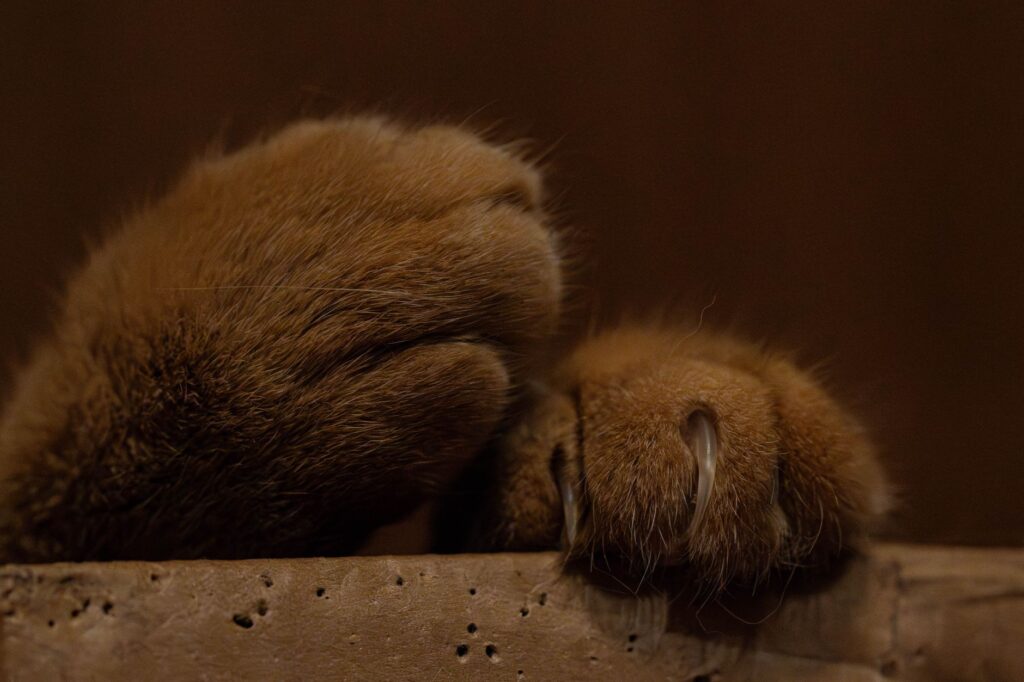
Trimming a cat’s nails at home is one of those tasks that sounds intimidating right up until you actually watch it done slowly once. The mechanics are simple: you are removing the thin, curved tip of a claw well before the pink area that carries blood vessels and nerve endings, called the quick. The hard part is rarely the cutting itself, it is getting a squirmy, suspicious cat to hold still long enough for you to see what you are doing.
Quick answer: The safest trim starts with handling practice, a visible quick, and one or two nails at a time. Never force a panicked cat.
Indoor cats especially benefit from regular trims, since they do not wear their claws down naturally the way an outdoor cat scratching trees and rough surfaces would. Left too long, nails can curl and grow into the paw pad, catch on carpet and fabric, or make normal walking uncomfortable. None of that requires a groomer visit to prevent, most cats can be trimmed safely at home with the right tool and a little patience.
What you need
A pair of cat-specific nail clippers is the main requirement, either a guillotine-style clipper where the nail passes through a hole and a sliding blade closes on it, or a small scissor-style clipper that closes like a pair of scissors. Both work well; scissor-style tends to be easier to control precisely, while guillotine-style is often faster once you are used to it. Keep a bit of styptic powder or plain cornstarch nearby in case you nick the quick, and treats within reach help enormously.
Get your cat comfortable first
Do not go straight from “cat is calm” to “cat is being pinned and clipped.” Spend a few days beforehand just handling your cat’s paws during normal calm moments, gently pressing on a toe pad to extend the claw and then releasing it, paired with a treat or praise. This builds the association between paw handling and something pleasant, so the actual trim is not the first time your cat has felt that sensation. Pick a time when your cat is naturally relaxed, after a meal or during a nap, rather than right after play.
Finding the quick
Gently press on the top and bottom of a toe to extend the claw fully. On most cats the nail is translucent enough that you can see a pink or reddish area near the base, that is the quick, and you want to cut a couple of millimeters in front of it, leaving a small margin of clear nail between your cut and the pink. If a nail is dark or you genuinely cannot see the quick, trim only the very tip, a small sliver at a time, rather than guessing at one confident cut.
The cutting technique
Hold the clipper so the blade cuts from top to bottom rather than side to side, following the natural angle of the claw, which reduces the chance of splitting the nail. Make one clean, quick cut rather than a slow squeeze, since a hesitant partial cut is more likely to crush the nail than a decisive one. Do one or two paws per session if that is all your cat will tolerate calmly, there is no rule that says all four paws need to happen in one sitting.
If you nick the quick
It happens even to experienced groomers occasionally, and it looks scarier than it usually is. Press a pinch of styptic powder or plain cornstarch directly onto the bleeding tip and hold firm, steady pressure for about thirty seconds to a minute. Most nicks stop bleeding quickly with this approach. If bleeding continues for several minutes despite pressure, or the paw looks swollen or your cat is in visible distress, call your vet.
Handling a squirmy cat
Wrapping a cat snugly in a towel with just one paw exposed at a time, sometimes called a “purrito” wrap, keeps them from twisting away and gives you a clear, controlled view of one foot. A second person holding and reassuring the cat while you trim makes the whole process faster and calmer for everyone involved. Keep sessions short: trimming two nails calmly today and two more tomorrow beats forcing all ten in one stressful sitting.
How often to trim
Most indoor cats need a trim roughly every two to four weeks, though this varies by individual, some cats’ nails grow faster than others. A simple way to check is to periodically look and listen for claws catching on carpet, furniture, or your skin during play, which usually means it is time.
When to let a professional handle it
Some cats never tolerate home trims no matter how patiently and gradually you introduce them, and forcing the issue can create a lasting negative association that makes every future attempt harder. If your cat becomes aggressive, extremely distressed, or you simply cannot get a safe grip, a groomer or your veterinary clinic can trim nails quickly and safely, often as a short standalone visit that does not require a full appointment.
FAQ
How short should I cut my cat’s nails?
Cut just the curved tip, leaving a couple of millimeters of clear nail between your cut and the pink quick. When unsure, trim less rather than more, you can always take off a bit more next time.
Why does my cat’s claw bleed even though I was careful?
The quick can sit closer to the tip than expected on darker or thicker nails, making it harder to judge visually. If bleeding happens, apply styptic powder or cornstarch with firm pressure, and go more conservative on the remaining claws.
Can I use human nail clippers on my cat?
It is not recommended. Human clippers are shaped for flat nails and tend to crush or split a cat’s curved claw instead of making a clean cut, which is more likely to cause pain or splintering.
Do indoor cats really need their nails trimmed?
Yes, generally more than outdoor cats. Scratching posts help file the outer nail sheath but do not shorten claw length the way rough outdoor surfaces naturally do, so indoor cats tend to need more frequent trims.
My cat panics every time I try. What now?
Slow down the introduction process, try shorter sessions of just one nail at a time paired with treats, and consider a towel wrap or a second person to help. If panic continues after a genuine, patient effort, a groomer or vet visit is a reasonable and common solution, not a failure on your part.