
Community Spotlight
Meet Scooter: The Talkative Tabby Who Loves Balcony Watch Duty
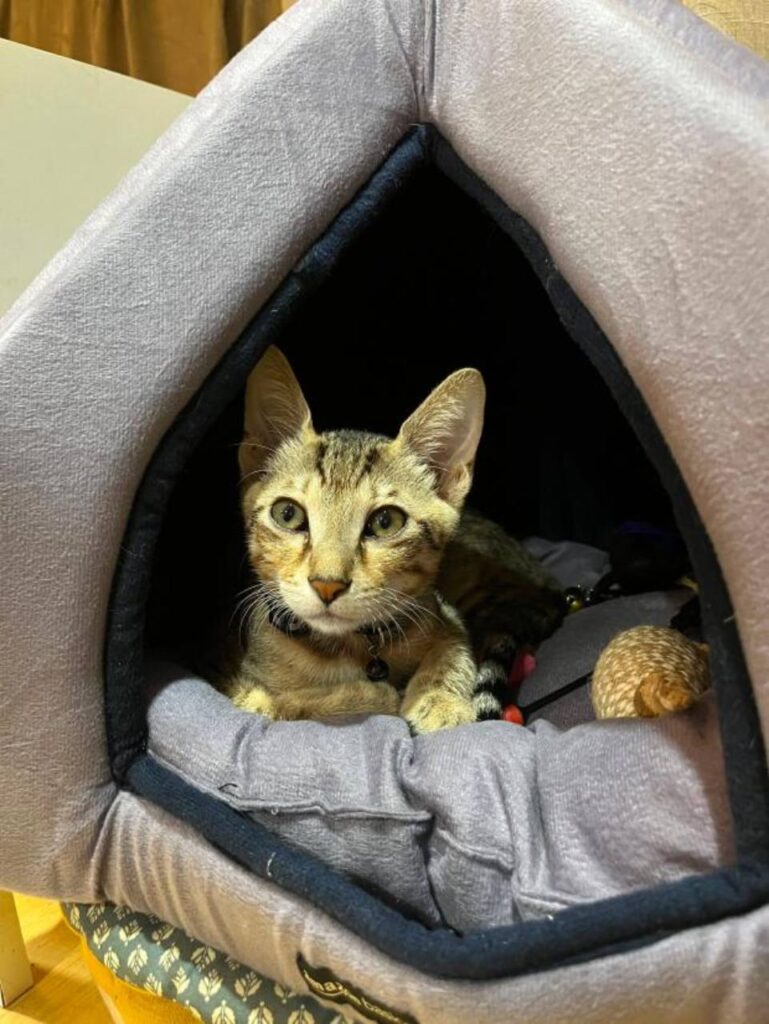
Scooter is an indie brown tabby with a big personality, a very small favorite toy, and plenty to say.
Scooter was adopted when he was around one month old. From the beginning, he grew into a cat who wanted to be part of everything: watching the world from the balcony, greeting visitors at home, and making sure his people understood exactly what he needed.
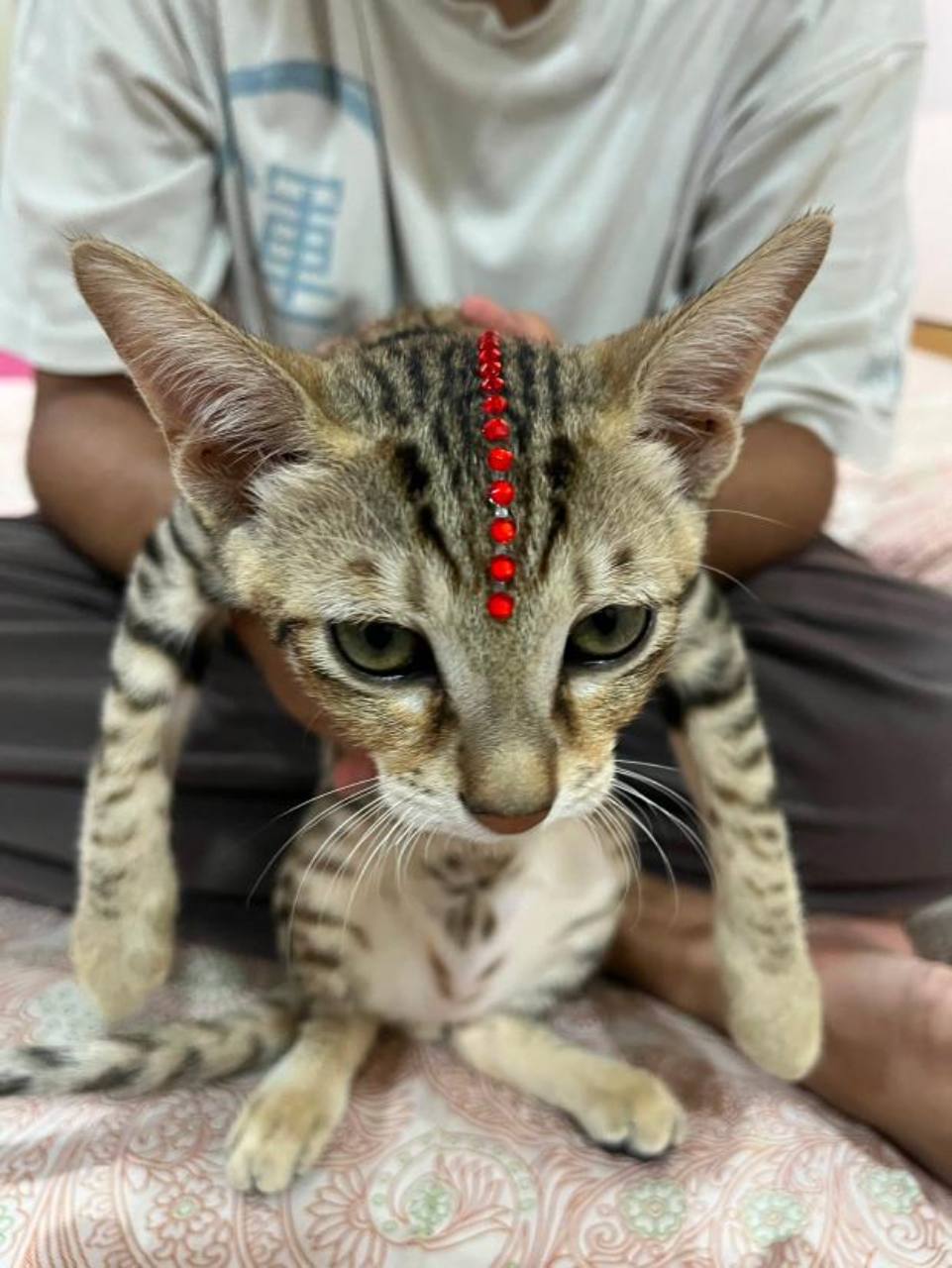
The balcony is Scooter’s favorite theater
Scooter can spend hours on the balcony watching birds and people. It is his favorite kind of entertainment: no screen, no batteries, and an endless stream of things happening outside.
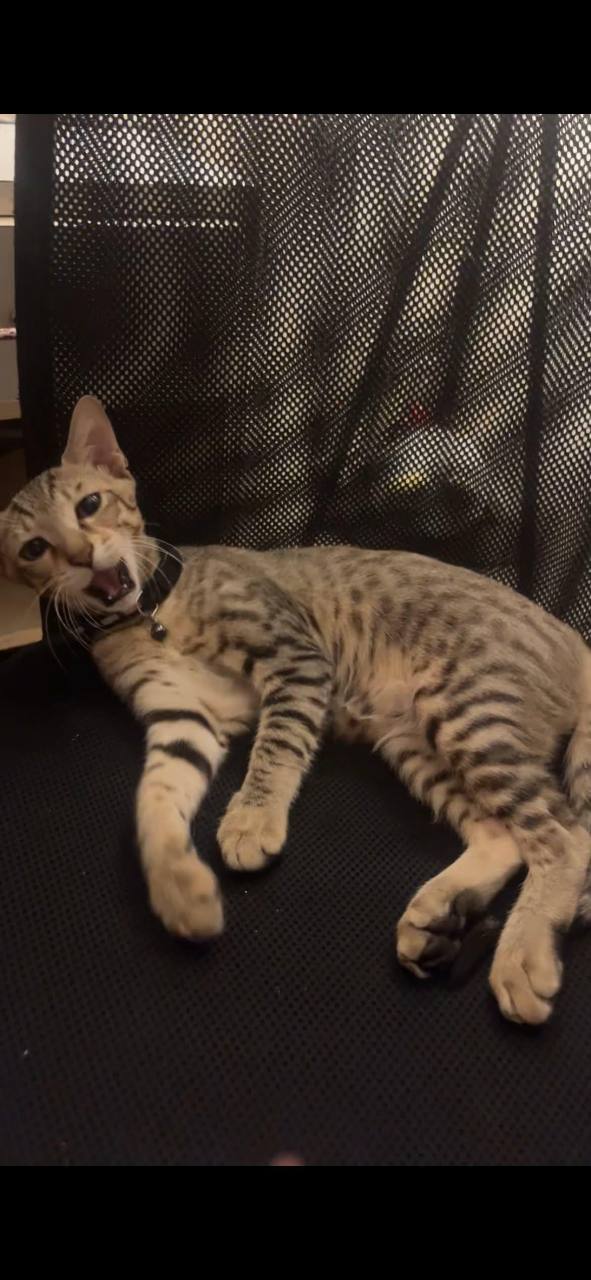
He is also remarkably talkative. When he is hungry, wants to go outside, or needs something else, he makes sure his family knows. His communication is not a mystery to the people who live with him; Scooter has learned that his voice gets a response, and his family has learned to listen.
A social host at home
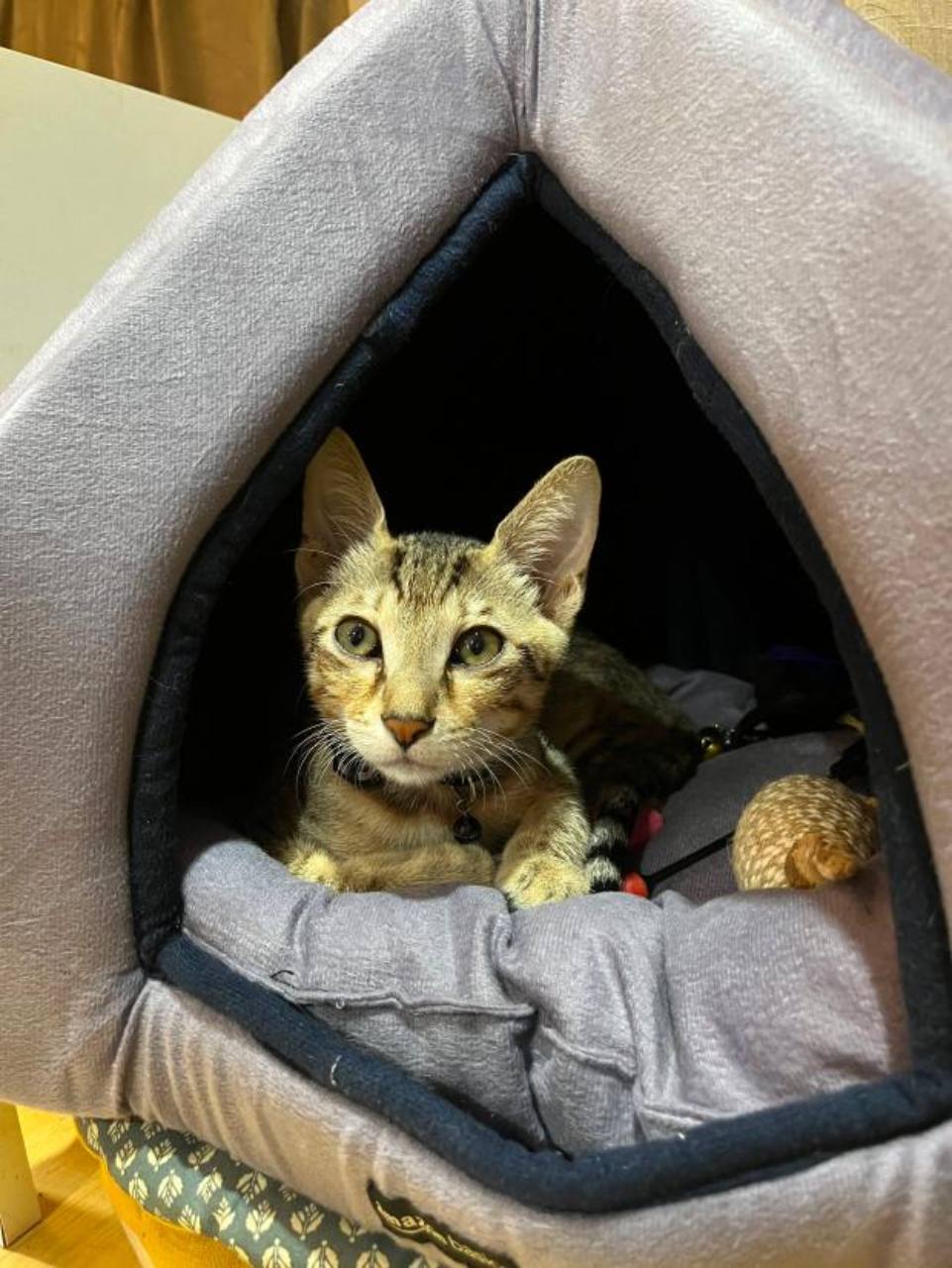
When people visit the home, Scooter usually goes to meet them. Sometimes he even settles on a visitor’s lap. That easy friendliness is one of the things that makes him such a welcoming presence.
Outside, though, he shows a different side. During walks, an unfamiliar person approaching can send him running back toward the flat. It is a useful reminder that a social cat is not necessarily comfortable in every environment. Scooter chooses his safe places carefully, and home is clearly one of them.
Friendly first with other cats
Scooter has met around four or five cats so far. His first instinct is to be friendly. He does not hiss unless the other cat hisses at him first, which gives his introductions a gentle starting point.
That does not mean every meeting is automatically easy. Cats still need space, gradual introductions, and a way to retreat. Scooter’s story simply shows how much personality can shape those encounters: he approaches with curiosity instead of suspicion.
The paper ball wins every time
Scooter has plenty of proper cat toys, but his favorite is a paper ball. It is a familiar cat truth: the toy nobody planned to buy becomes the one that gets the most attention.
A paper ball is light, noisy, and easy to bat across the floor. For Scooter, it is enough. His favorite toy does not need a complicated design; it just needs to be fun.
Affection on his own terms
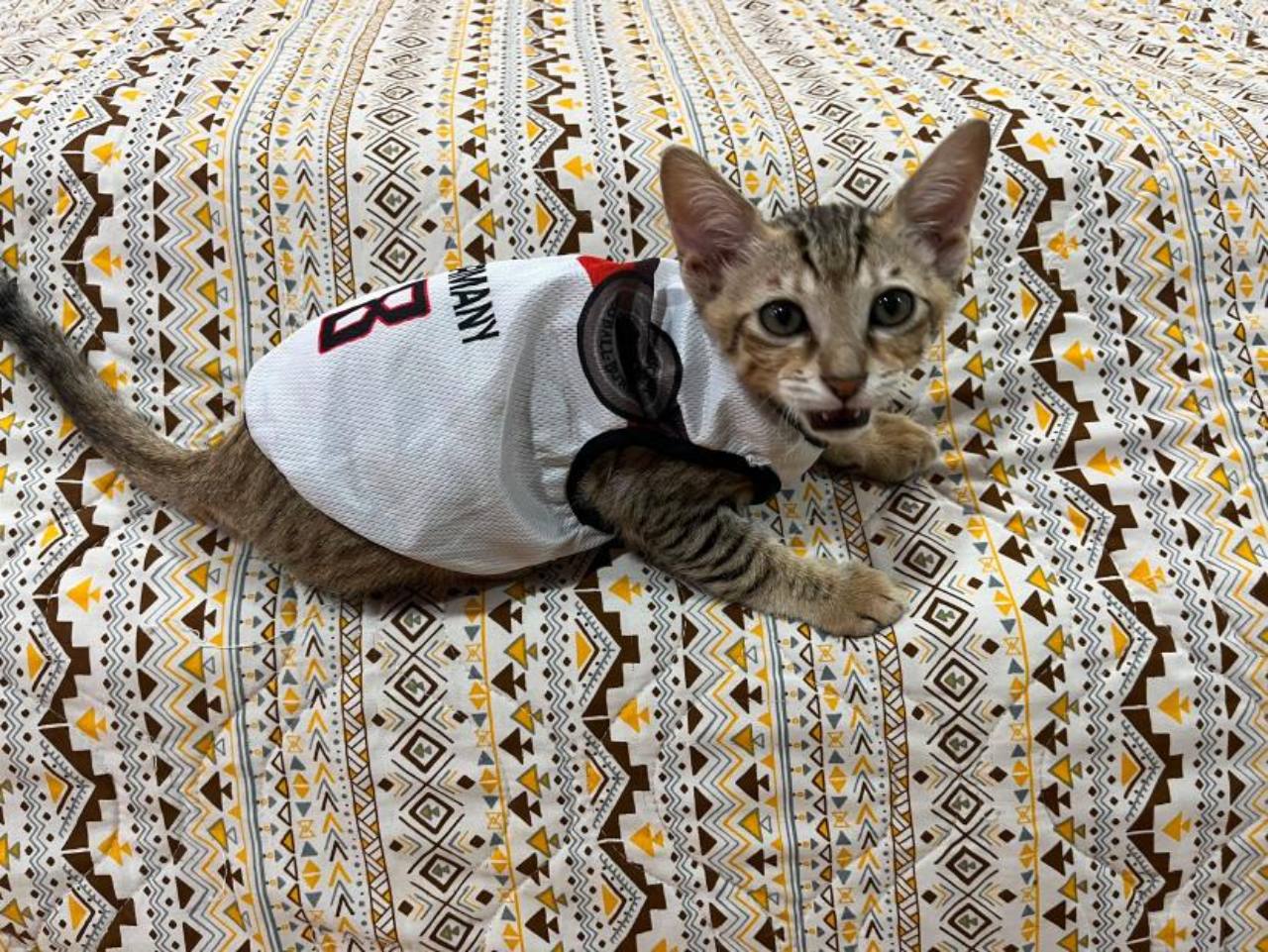
Scooter does not enjoy being picked up or held. That boundary is part of his personality, not a lack of affection. When he is in the mood, he is very cuddly and chooses closeness in his own way.
At night, he may lie beside his people, on their arms, near their heads, or by their feet. When they are in bed, he often rubs his face against theirs and gives them slow blinks. Those small gestures are his way of saying that he feels comfortable and connected.
Water, sleep, and the places he chooses
Scooter drinks a good amount of water on his own, even though his family keeps still water in a normal bowl. There is no special fountain in his routine; he simply has access to fresh water and chooses to drink it.
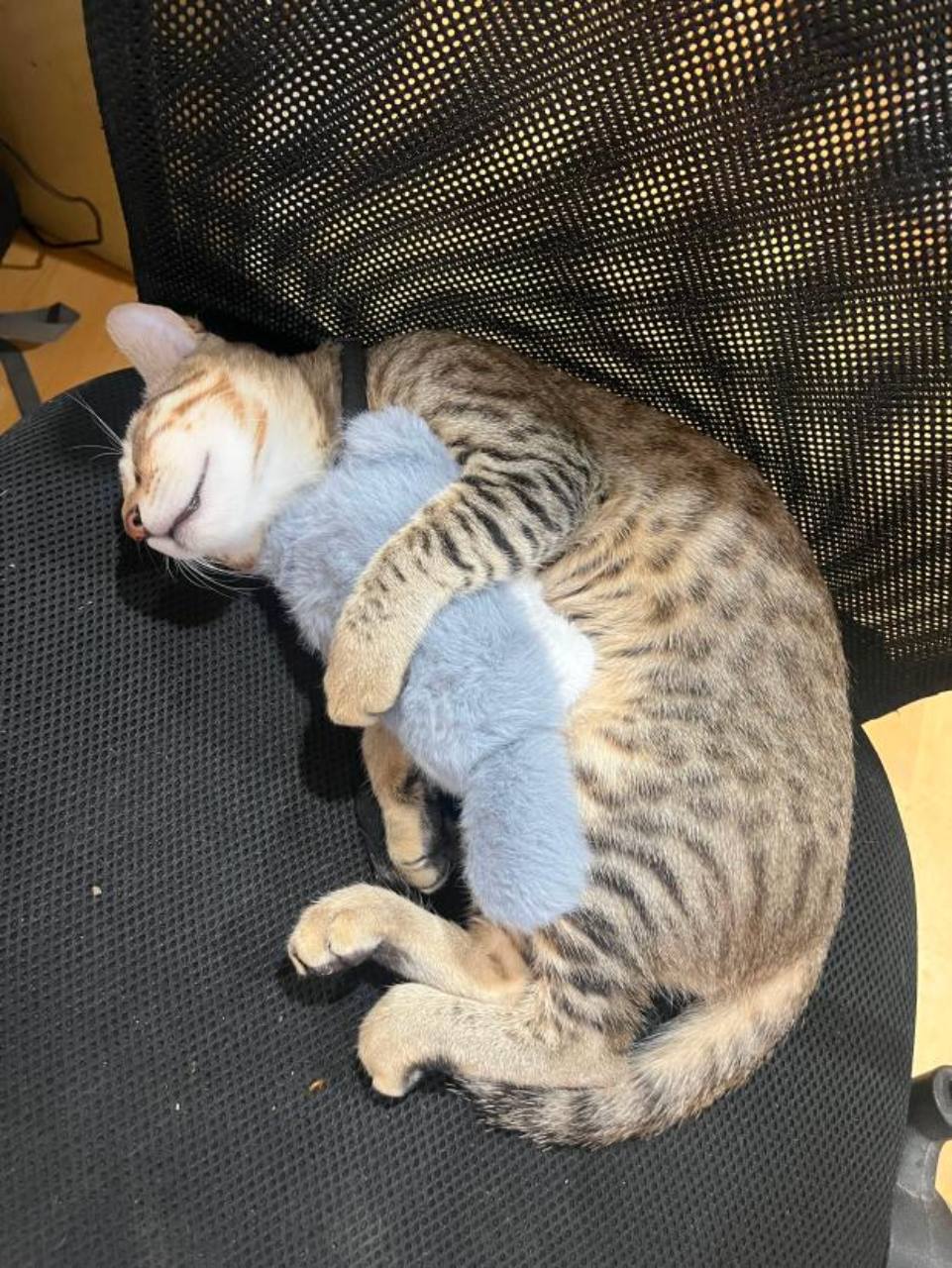
For sleep, he prefers the bed, sofa, and chairs—even though he has two cat beds of his own. Those choices are familiar to anyone who has bought a cat bed and watched the cat select the nearest blanket instead.
A cat who knows what he wants
Scooter’s story is made of small, recognizable choices: balcony watch duty, a paper ball, a favorite chair, a careful retreat when the outside world feels uncertain, and a slow blink when he wants to connect.
He is social without being available to everyone, affectionate without enjoying restraint, and talkative without leaving much room for doubt. That combination is what makes him memorable—and what makes life with him feel so personal.
Thank you to @scooter.the.car for sharing Scooter’s story and photos with WhiskerGear.
About this Community Spotlight
Every cat has its own ways of asking for attention, setting boundaries, and showing trust. Community Spotlight stories are based on details shared by the cats’ families. They are personal stories, not veterinary assessments.