
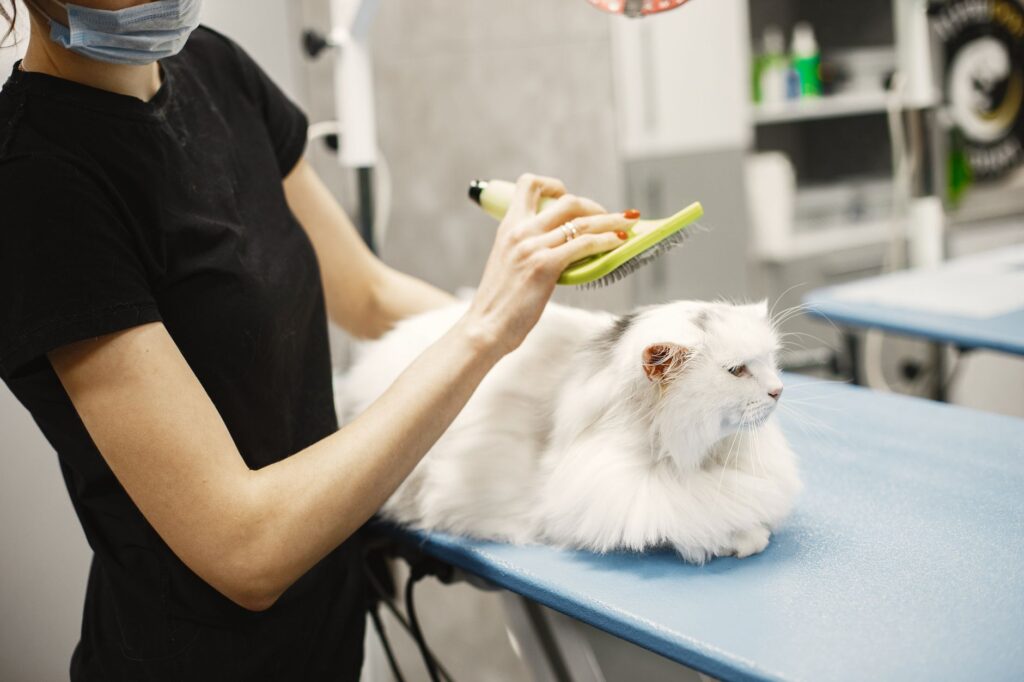
Shedding is not a problem to solve, it is a coat cycle to manage. Cats lose old undercoat hair year round, with heavier pushes in spring and fall, and the hair that does not end up on your couch usually ends up in a hairball instead. A good deshedding tool used regularly pulls that loose undercoat out before either of those things happens, which is why groomers treat brushing as basic maintenance rather than an optional extra.
Quick answer: Match the tool to the coat and the cat. Rubber tools are gentler for sensitive cats; undercoat tools are for limited, purposeful use.
Not every “deshedding brush” works the same way, though. A FURminator-style deshedding tool, a wire slicker brush, and a rubber curry brush all remove loose hair, but they do it through different mechanisms, and they suit different coats and different cat temperaments. Below we compare five cat-sized options across those three categories, based on published specs and verified buyer feedback rather than hands-on testing, so you can match the tool to your cat instead of guessing.
Quick comparison
| Product | Tool type | Best for | Coat length |
|---|---|---|---|
| FURminator deShedding Tool | Undercoat rake | Heavy shedders, seasonal blowouts | Long hair (medium/large cats) |
| Hertzko Self-Cleaning Slicker Brush | Slicker (wire pins) | Everyday brushing and light detangling | Long and short hair |
| Safari Soft Slicker Brush | Slicker (wire pins) | Sensitive-skin cats, gentle daily use | Long and short hair |
| KONG ZoomGroom Cat Brush | Rubber curry | Bath time, anxious or touch-shy cats | Short hair especially |
| HandsOn Pet Grooming Gloves | Rubber glove | Cats that dislike brushes entirely | Short and medium hair |
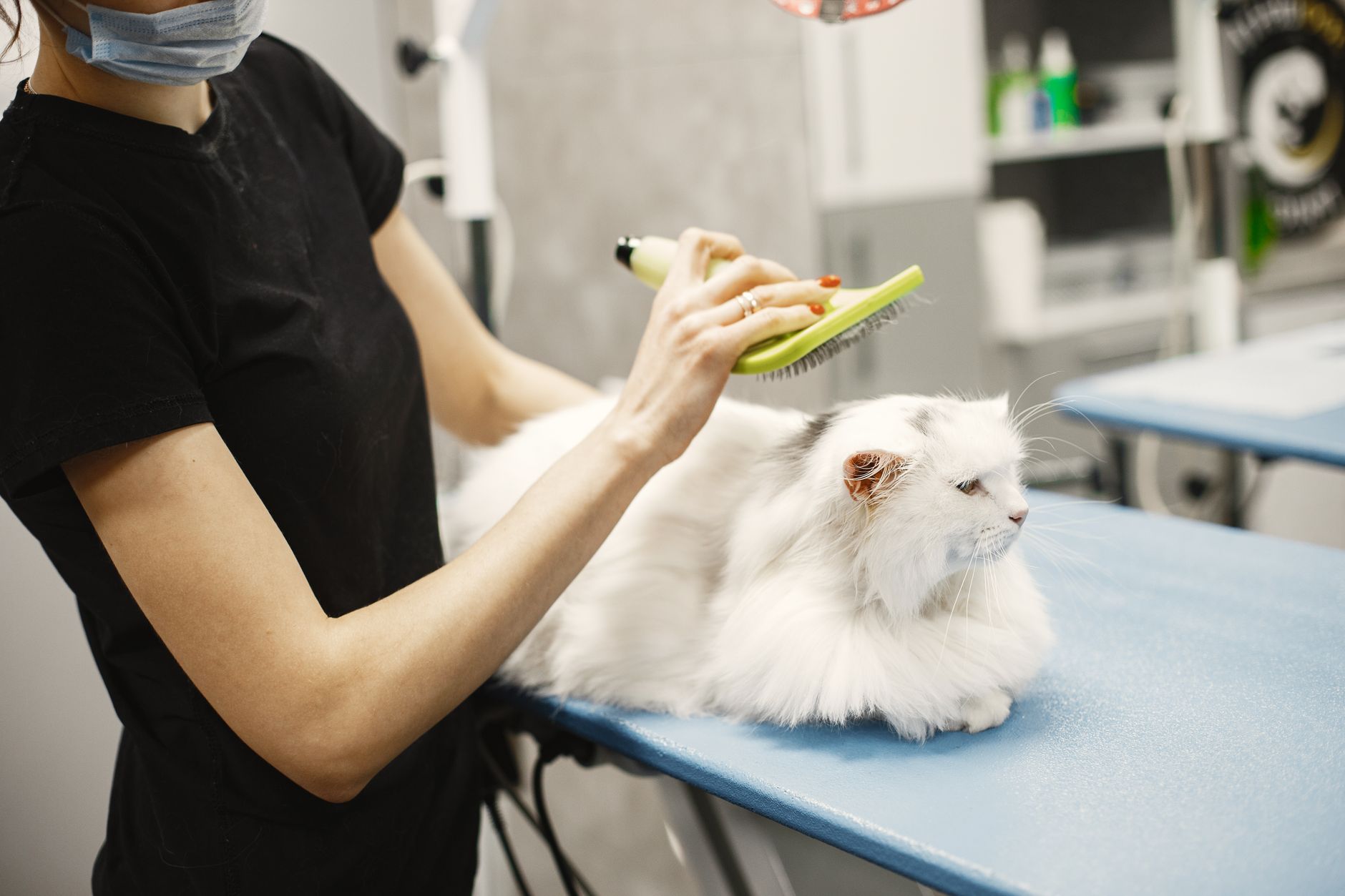
The best cat deshedding brushes
1. FURminator deShedding Tool for Cats: the undercoat specialist [1]
The FURminator line uses a fine metal edge designed to reach through the topcoat and pull loose, dead undercoat hair without cutting the topcoat itself, and it is the tool most frequently recommended by groomers specifically for heavy seasonal shedding. Based on verified buyer feedback and the manufacturer’s own specs, it is most effective on long-haired or double-coated cats and works best in short, light sessions rather than one long marathon pass. It is not a detangling tool, so mats need to be worked out first with a slicker or comb.
2. Hertzko Self-Cleaning Slicker Brush: the daily driver [2]
This is a standard wire-pin slicker with one added feature that matters in daily use: a retraction button that pulls the bristles flush so collected fur releases in one motion instead of being picked out by hand. Based on published specs and widely repeated buyer feedback, the angled pins are gentle enough for a cat’s skin while still catching loose top-coat hair and light tangles, making it a reasonable everyday brush rather than a once-a-week deep-shed tool. It works on both long and short coats, though heavy mats still need to be removed separately.
3. Safari Soft Slicker Brush: the sensitive-skin pick [3]
Coastal Pet’s Safari line is one of the longer-running names in pet grooming tools, and the soft slicker version uses shorter, more flexible pins than a standard slicker, which reviewers and groomers commonly describe as gentler on thin or sensitive cat skin. It is a solid choice for older cats, kittens being introduced to brushing for the first time, or cats that flinch at stiffer wire brushes. It removes loose surface hair well but is not built for pulling thick undercoat the way a dedicated deshedding rake is.
4. KONG ZoomGroom Cat Brush: the rubber curry for touch-shy cats [4]
The ZoomGroom replaces bristles or pins with soft rubber nubs that catch loose hair through friction and static rather than snagging it, which is why it is commonly recommended for cats that tolerate petting but resist anything that feels like a “tool.” It doubles as a bath brush since the rubber rinses clean and grips wet fur, and many owners use it as a massage aid for anxious or elderly cats. It removes visible loose hair effectively but does not reach undercoat the way a metal rake does, so heavy shedders may still need a slicker or FURminator in rotation.
5. HandsOn Pet Grooming Gloves: for cats that reject brushes outright [5]
These are fabric gloves lined with silicone or rubber nubs worn directly on the hand, so brushing looks and feels like petting from the cat’s side of things. Based on verified buyer feedback, they are most useful as a bridge tool for cats that bolt at the sight of any brush, letting an owner build trust before introducing a slicker or rake. They pick up loose surface hair reasonably well but have less reach and less pulling power than a dedicated brush, so they work best as a starting point or a light-maintenance option between real brushing sessions.
How we chose these brushes
We compared cat-specific models (not dog tools resized down) across manufacturer specs, groomer-published guidance, and patterns in verified buyer feedback, prioritizing tools with a clear, single purpose over do-it-all products that tend to do everything poorly. We also made sure each category, undercoat rake, slicker, and rubber curry/glove, was represented, since most multi-cat households end up needing more than one type across the year.
How to choose
- Coat type first. Long-haired or double-coated cats generally need an undercoat rake at least during shedding season; short-haired cats often do fine with a slicker or rubber brush alone.
- Temperament matters as much as coat. A cat that hates being handled will tolerate a rubber curry or glove far better than a metal rake, even if the rake would technically remove more hair.
- Check for mats before deshedding. A rake or slicker used over a mat can pull painfully on skin; work mats out gently with a comb first, or ask a groomer.
- Frequency over intensity. Two or three short, gentle sessions a week beat one long aggressive session, especially with a metal-toothed tool.
- Watch the skin, not just the fur. Redness, flinching, or bald patches mean stop and switch to a gentler tool or shorter sessions.
The verdict
If your cat sheds heavily and tolerates grooming tools, the FURminator deShedding Tool is the most effective single option for pulling loose undercoat. If you want one brush for regular upkeep, a slicker like the Hertzko or Safari covers most day-to-day needs. For cats that just do not like being brushed, the KONG ZoomGroom or HandsOn gloves get real results without the fight, and there is nothing wrong with owning more than one and switching depending on the season or your cat’s mood that day.
Sources
Each link below points to the same Amazon listing cited for that pick above.
- FURminator deShedding Tool for Cats: the undercoat specialist
- Hertzko Self-Cleaning Slicker Brush: the daily driver
- Safari Soft Slicker Brush: the sensitive-skin pick
- KONG ZoomGroom Cat Brush: the rubber curry for touch-shy cats
- HandsOn Pet Grooming Gloves: for cats that reject brushes outright
FAQ
How often should I deshed my cat?
Most cats do well with two to three short brushing sessions a week, increasing to daily during spring and fall shedding season. Short-haired cats can often get by with once a week outside of heavy shedding periods.
Can deshedding tools hurt my cat?
Used correctly and gently, no, but metal-toothed rakes and slickers can irritate skin or cause discomfort if pressed too hard or used over mats. Stop if your cat flinches, and always brush with the direction of hair growth rather than against it.
Will a deshedding brush reduce hairballs?
Regular brushing reduces the amount of loose hair a cat ingests while self-grooming, which commonly reduces hairball frequency, though it will not eliminate hairballs entirely on its own.
Do I need different brushes for different seasons?
Many owners keep a slicker or rubber brush for regular maintenance and bring out an undercoat rake specifically during the heavier spring and fall shedding periods, since a rake is more intense than most cats need year round.
My cat hates being brushed. What should I try first?
Start with a rubber tool like a curry brush or grooming glove, since they feel closer to petting, and keep first sessions very short and positive before working up to a slicker or rake.